Ancient water sources in Asir Region

Ancient water sources in Asir Region

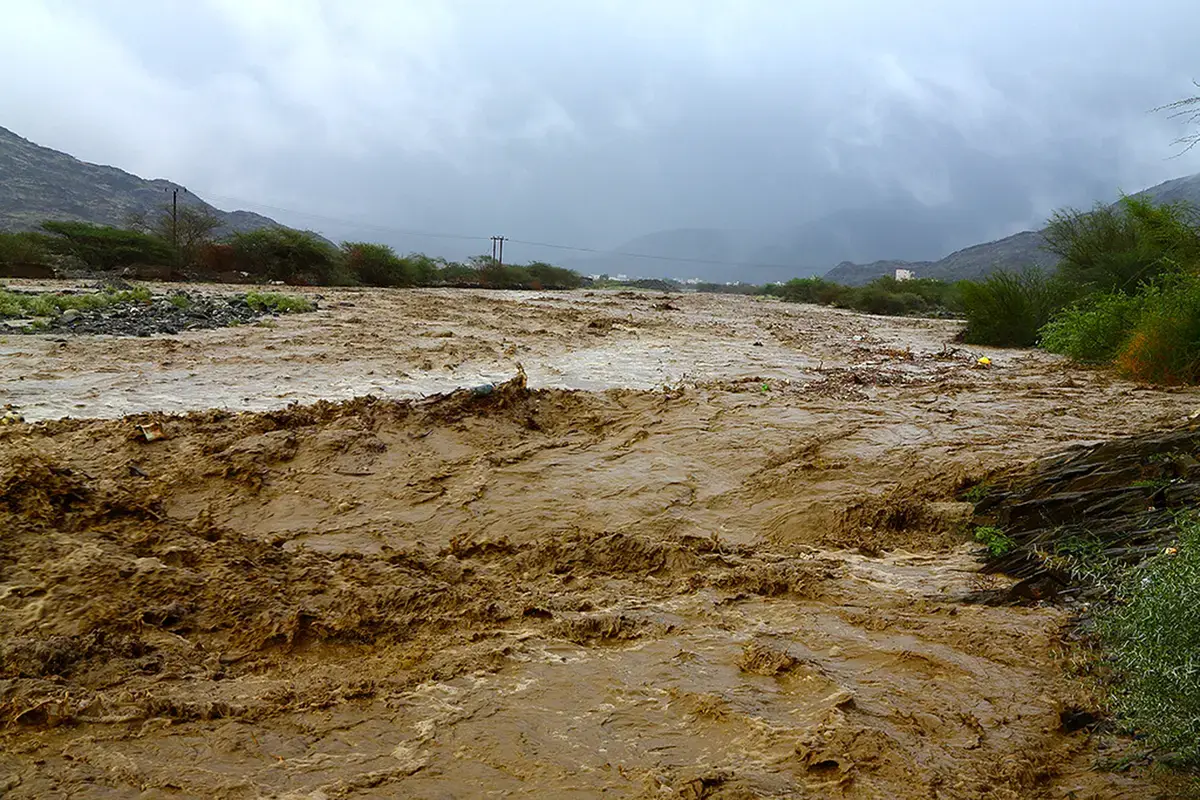
Until recently, the main source of water in the Asir Region was the rain that the sky provided by the command of its Lord.

Until recently, the main source of water in the Asir Region was the rain that the sky provided by the command of its Lord. The water from the sky irrigated humans, animals, birds, trees, and crops... There was no water network, tanks, taps, or showers. Rain was the only source of water. During good seasons and heavy rains, the land was irrigated, the wells and Al Birk were filled, grass grew, and farmers planted their fields. Wells: Wells are widespread due to their importance as they are the main source for humans, animals, birds, trees, and crops. They vary in depth.

They are dug in the rock in a circular shape and are subject to care and maintenance, such as cleaning and deepening.... Water is drawn to irrigate the fields using swans. Everyone who has a need for it benefits from its water. Children and young men also used to swim there in the summer. Ponds: Al Birk is basically used to refer to water tanks that are about five meters long and about three meters deep.

13Sections
6Images
32633Characters
عسيرCategory

Ancient water sources in Asir Region

Until recently, the main source of water

01

Until recently, the main source of water in the Asir Region was the rain that the sky provided by the command of its Lord. The water from the sky irrigated humans, animals, birds, trees, and crops... There was no water network, tanks, taps, or showers. Rain was the only source of water. During good seasons and heavy rains, the land was irrigated, the wells and Al Birk were filled, grass grew, and farmers planted their fields.

Wells: Wells are widespread due to their importance as they are the main source for humans, animals, birds, trees, and crops.

They vary in depth. They are dug

02

They vary in depth. They are dug in the rock in a circular shape and are subject to care and maintenance, such as cleaning and deepening.... Water is drawn to irrigate the fields using swans. Everyone who has a need for it benefits from its water. Children and young men also used to swim there in the summer. Ponds: Al Birk is basically used to refer to water tanks that are about five meters long and about three meters deep.

They were filled with water in the winter and were usually built in mosques and water was extracted from them to fill the water.

In the late sixties and early seventies

03

In the late sixties and early seventies, the use of cement became widespread. It became possible to build a cement room (tank) completely or partially underground, or even above the ground, and roof it with cement and then fill it with water. Among them were pumps that ran on electricity when electricity entered the country in the late seventies and early eighties of the twentieth century.

Transporting water from wells to homes was

04

Transporting water from wells to homes was done by means of the bag, and its single type (skin), which was made of goat skin and could hold approximately 20 liters of water. The women used to fill them with buckets and then carry them on their backs. The water was kept in the house in the bag, or also the bag, which was made of pottery and covered with a lid in the shape of a circular loan, also made of pottery or with a circular piece of wood.

In the sixties and seventies of the

05

In the sixties and seventies of the twentieth century, “totti” and “tank” sheets appeared, and faucets were made from it, which is the plural of faucet. It is a cylindrical vessel with a flat bottom, open at the top, and two ears on the sides. It is usually of two sizes, the small one can hold ten liters of water, and the large one can hold twenty liters.

New water sources

Water is a blessing from God Almighty

06

Water is a blessing from God Almighty to sustain life. It is the backbone of life and one of the necessary elements for survival. Just as life is impossible without it, development without it is also considered impossible. Water sources in Asir Region are divided into two parts: the first is traditional sources, including rainwater and well water, whether governmental or private, dams, surface tanks, and groundwater.

Given the utmost importance of water in

07

Given the utmost importance of water in human life and because water security was and continues to be of concern to the state, great efforts have been made to develop traditional water sources, surface and groundwater.

Thanks to God, 111 dams have been constructed in Asir at the intersections of the Fahul valleys and in the Tihama Valleys, according to the highest international standards, in accordance with the International Building Code, and with safety means available.

Giant dams have become evidence of civilization

08

Giant dams have become evidence of civilization, peering with their green gazes between the peaks of the mountains and the plains, overflowing, God willing, with growth and generosity, to be tributaries of goodness and construction, and preserving between them and behind them thousands of cubic meters of water that flows from time to time from the heights of the Sarawat Mountains due to seasonal rains, so that their abundant goodness may spread, God willing, to everyone.

Among the most prominent dams in the Asir Region are:

King Fahd bin Abdulaziz Dam

This dam is considered one of the

09

This dam is considered one of the largest dams in the Kingdom of Saudi Arabia in terms of size and water storage capacity, as its height reaches 103 meters, and its storage capacity reaches 325 million cubic metres. Wadi Bishah is considered one of the largest valleys in the Arabian Peninsula, as its length at the dam site exceeds 250 kilometers, and the area of ​​​​the torrents collecting for this dam is about 7,600 square kilometers.

The valley is also characterized by high rates of rainfall in its sources and tributaries.

Abha Dam

It is located on the western edge

10

It is located on the western edge of the city of Abha, and it is considered a tourist landmark and an important economic tributary. The Abha Dam Lake is one of the most beautiful tourist destinations in Abha, as the surrounding area is full of gardens and family gatherings, with a wonderful view of the Dam Lake.

It was established in 1974, corresponding to the month of Rabi’ al-Thani 1394 AH, with the aim of detaining rainwater and floods in the Abha Valley to preserve it and provide drinking water for the city of Abha and the residents of the valley.

The dam was constructed of concrete with

11

The dam was constructed of concrete with a length of 350 meters (35 blocks, each 14 meters long). Its height is 33 meters. The maximum storage capacity is 2.13 million cubic meters at the final storage height of 2,200 meters above sea level, with a side spillway 131 meters long. The dam contains a tunnel for monitoring and follow-up along the dam’s body.

Merba Dam

Among the giant projects, the level of

12

Among the giant projects, the level of the dam’s crest is 372 metres, the length of the spillway threshold is 170 metres, the length of the dam is 165 metres, and it is 38 meters higher than the valley’s surface level, and the volume of the storage basin is 90,095 million cubic metres, and the area of ​​the basin is 5,013 million square metres.

Atoud Tihama Dam

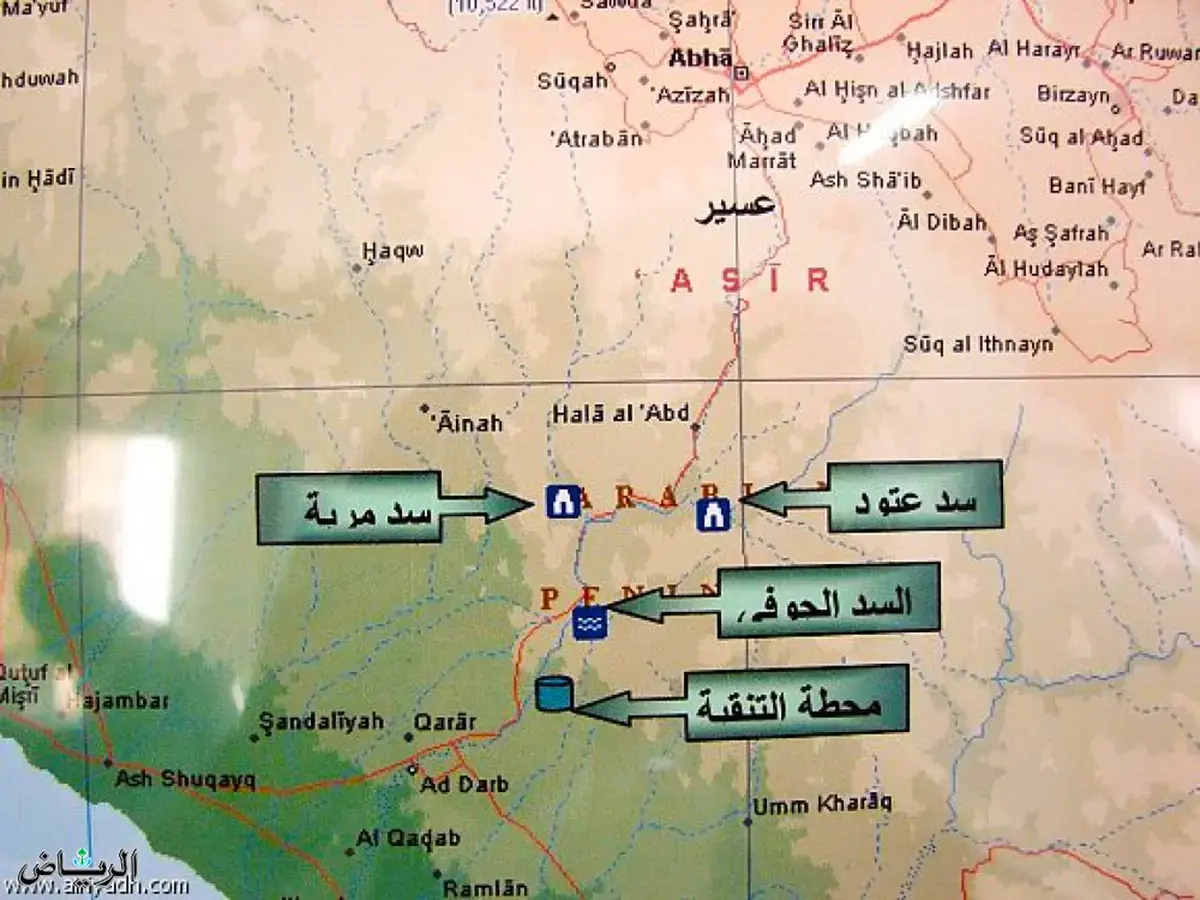
A concrete dam was established in the

13

A concrete dam was established in the year 1429 AH 2008 AD in order to replace groundwater wells, provide drinking water to the residents of the region, and benefit from the water resources in the watershed. Its barrier is of the heavy concrete type, its top is 6 meters wide, 237 meters long, and 37 meters high, with a storage capacity exceeding 10 million cubic metres.

The purification station filters the water that

14

The purification station filters the water that is fed from the groundwater that is drawn from the storage basin behind the underground dam using pipes with a diameter of 600 mm and through ten wells, each five meters in diameter and twenty meters deep, with a production capacity of 3,500 meters per day, where it is pumped to the city of Abha and its suburbs at a rate of thirty thousand cubic meters.

Underground dam

Within the storage basin of the underground

15

Within the storage basin of the underground dam, ten wells were drilled along Wadi Murba, producing 150,000 cubic meters of water daily. The underground dam was constructed with a length of 456 meters, a width of one meter, a depth of 28 meters, and a wall area of 8,400 square metres.

It is at the bottom of a

16

It is at the bottom of a part of the well field, and its depth penetrates the sediment layers, and the water penetrates the erosion system until it reaches the solid rocks impermeable to water, forming a large lake hidden in the interior of the valley with a storage capacity. 20 million cubic meters of potable water, and there are eight monitoring wells where their measurements are taken daily to monitor the existing water.

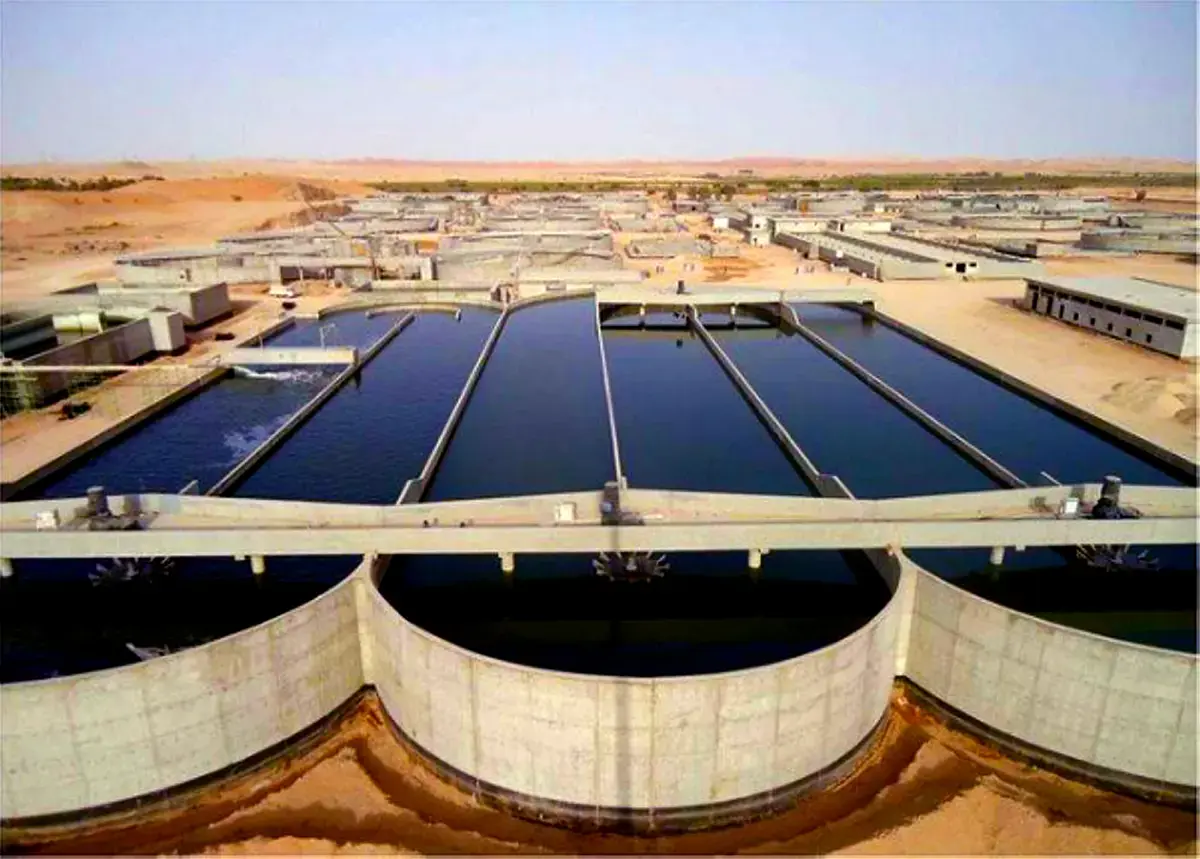
A water purification station was built on

17

A water purification station was built on it, fed through the wells, producing 30 thousand cubic meters per day, which is pumped to feed the area through desalination lines. Water purification plants were also expanded at the Abha and Awad dams in Khamis Mushayat Governorate to increase their water production capacity.

The Wadi Beish Dam purification station also purifies the dam’s water and pumps 125 thousand cubic meters, including: 50 thousand to the Asir Region, and 75 thousand cubic meters to the Jazan region.

Hundreds of wells have been dug for

18

Hundreds of wells have been dug for drinking water, and the implementation of a line to transport water from the Empty Quarter to Tathlith Governorate in the Asir Region has recently been approved. The other part is non-traditional sources, such as desalinated water provided by the desalination plant in Al-Shuqaiq in the Jazan region, and non-traditional sources such as desalinated water, treated wastewater, and water transport pipelines and networks within cities.

Salt water desalination plant in Al-Shuqaiq

Attention was not focused on natural water

19

Attention was not focused on natural water and rain, considering them to be the only source of drinking water for cities in the region in the first place. Rather, there was interest in securing fresh water from other sources, such as seawater desalination, considering that the Kingdom of Saudi Arabia is a pioneering country in this field.

To meet the increasing demand for water

20

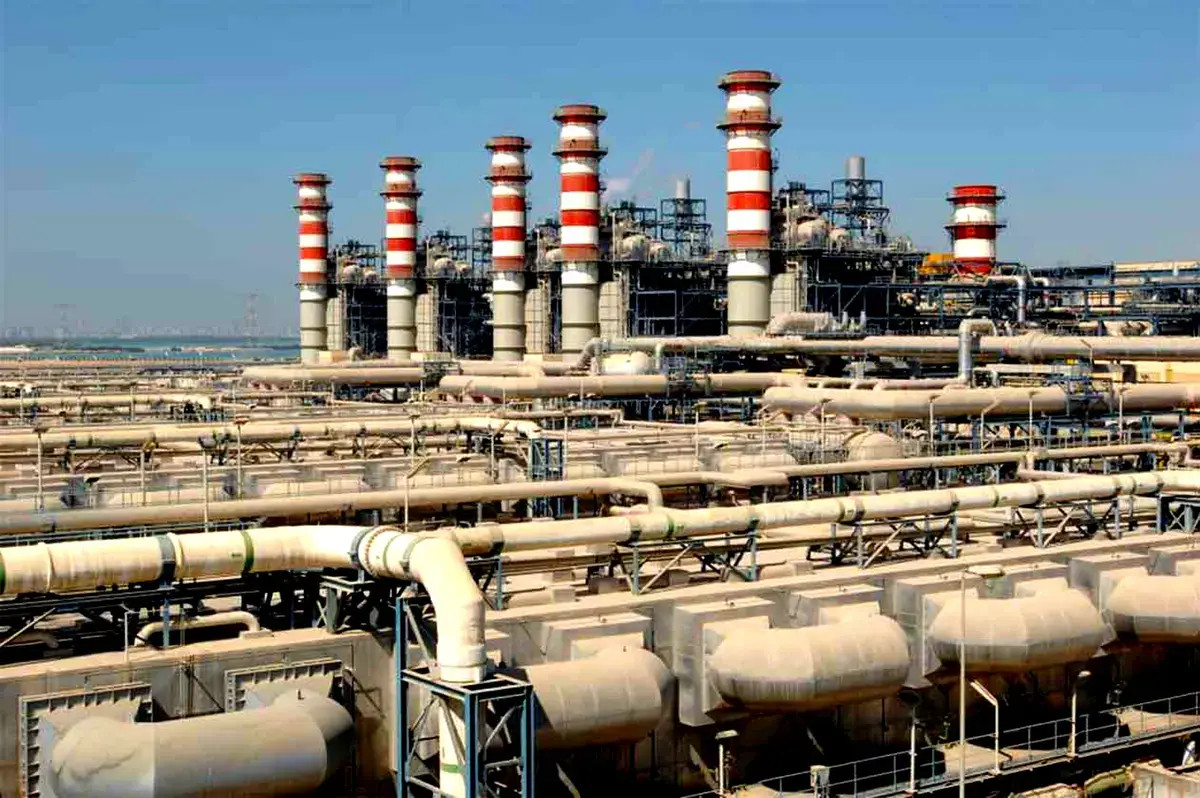
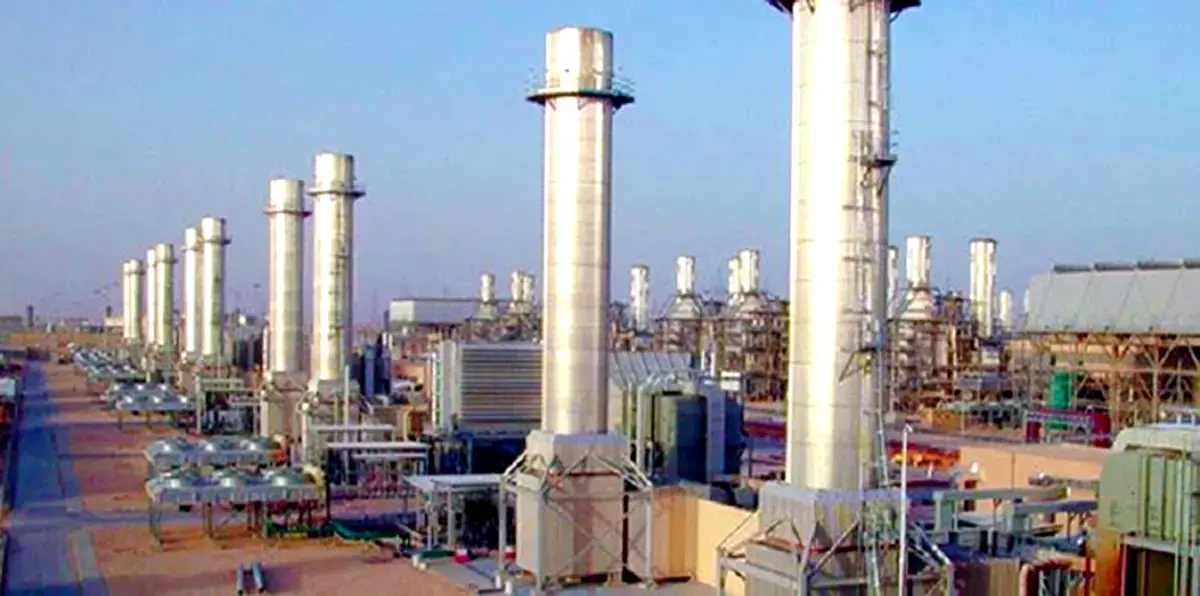
To meet the increasing demand for water and electricity in the Asir Region, as a result of the region keeping pace with the comprehensive development movement in the Kingdom of Saudi Arabia, a salt water desalination plant for the Asir Region was established on the Red Sea coast in three stages: The first stage: The start of operation and production in 1409 AH.

Its capacity is 100 hundred thousand cubic meters of fresh water per day, benefiting Abha, Khamis Mushait, Ahad Rafidah, the military city, and its neighboring cities and villages.

The second phase

21

The second phase: The station was developed to produce 106,000 cubic meters of desalinated water to feed the Asir Region.

The third phase

22

The third phase: to provide more drinking water and alleviate the problem of water shortages suffered by residents of the southwest of the Kingdom, and meet the region’s needs for desalinated water by providing drinking water to more than two million individuals, in addition to contributing to strengthening the economic and industrial sectors in the Kingdom, with a production capacity of 450 thousand cubic meters of desalinated water per day.

In addition to producing electrical energy that

23

In addition to producing electrical energy that meets the needs of cities and villages located along the feeder lines. Thus, the plant is the second largest water desalination plant in the Kingdom after the Rabigh 3 plant, and it is also one of the largest water desalination plants using reverse osmosis technology in the world.

Water and Sanitation Authority

The Asir Region Water and Sanitation Authority

24

The Asir Region Water and Sanitation Authority was established by the esteemed Council of Ministers Resolution No. 285 on 12/15/1404 AH, and on the first of Muharram in the year 1406 AH, the Authority began providing its services in accordance with the tasks assigned to it in the Water and Sanitation Authority system.

There were no projects implemented within the

25

There were no projects implemented within the area of the Authority’s jurisdiction except for two sanitation projects, one in the city of Abha and the other in the city of Khamis Mushayat, which were implemented by The Ministry of Municipal and Rural Affairs, which made the Authority move strongly to improve the performance of the treatment plants and modernize some of their parts. The treatment plant now receives more than its capacity by a third.

Its maximum capacity is (9,000 m3) and

26

Its maximum capacity is (9,000 m3) and it now receives approximately (13,000 m3), with good performance and the level of purification has risen to the highest standard levels. In addition to this, the Authority is proceeding with the work of expanding wastewater treatment plants in a way that doubles their capabilities.

Sanitation projects continued in the city of Abha until the length of the implemented networks reached 688 linear kilometers, with a number of 27,558 connections, at a cost exceeding 321 million riyals.

As a result of the major expansion

27

As a result of the major expansion of sanitation work in Abha, a sewage station was established outside the urban area in the east of the city of Abha, with a total capacity of 120 thousand cubic meters per day.

The first phase of it is also being implemented with a capacity of 60 thousand cubic meters at a cost of more than / 85 / million riyals, so the total cost of constructing the old treatment plant, expanding it, and establishing the station in eastern Abha is more than / 302 / million riyals.

The total costs of sanitation projects in

28

The total costs of sanitation projects in the various governorates of the Asir Region exceeded two billion riyals, and included Abha, Khamis Mushait, Wahid Rafidah, Bishah, Muhayil Asir, Al Namas, Dahran Al Janub, Sarat Abidah, Balqarn, Al Majardah, Al-Harida, Tanomah, Bariq, Ballasmar, Khamis Al-Bahr, and Al-Sha’bain, reaching nearly sixty thousand household connections.

The amount of treated wastewater used for

29

The amount of treated wastewater used for irrigation and agricultural purposes in Asir Region reached about 25 million m3 annually, and it is expected that the amount of treated wastewater will reach about 288,500 m3 per day in the year 1430 AH, or about 104 million m3 annually. The Authority implemented water network projects all at once in the cities of Abha, Khamis Mushait, and Ahad Rafidah.

These networks are now working as well

30

These networks are now working as well as possible, praise be to God, and are fed with water from the tanks of the General Corporation for Saline Water Conversion that comes to it from the desalination plant in Al-Shuqaiq on the Red Sea coast. The Authority will expand these networks within these cities gradually through operation and maintenance programs.

Saudi National Water Company

The National Water Company is a government

31

The National Water Company is a government company owned by Saudi Arabia. It was established in 2008 AD, based on Royal Decree No. (M/1) dated 13 Muharram 1429 AH approving the license to establish the National Water Company in accordance with its bylaws, and it works in the field of water and sanitation services.

Since the company was assigned full responsibility

32

Since the company was assigned full responsibility for water delivery and distribution, including groundwater, and wastewater treatment throughout the Kingdom, the company (NWC) embarked on an initiative to establish a strategy to radically simplify, rationalize, and improve water and sanitation services across the Kingdom and to manage the Kingdom’s natural water resources and sustain them with high efficiency.

The company was determined to improve the

33

The company was determined to improve the performance of the entire organization in line with international best practices in the areas of water demand management, distribution, quality, and customer service.

Based on Saudi Vision 2030, the company sought to achieve water sustainability in the Kingdom of Saudi Arabia, by eliminating all challenges, the most prominent of which is the scarcity of water resources and the accompanying rapid growth in population and economic development that increases the pace of demand for water.

Thus, the need emerged for the necessity

34

Thus, the need emerged for the necessity of updating the company’s strategy and developing the organizational structure, governance and management of the water sector. In order to overcome these challenges in line with achieving the sustainable development goals for water and sanitation, and improving the quality of life.

Saudi Vision 2030 aspires to move the Kingdom to the ranks of leadership among countries by the year 2030, as a country capable of continuing growth and providing a high standard of living for its people for generations to come.

The development of the water sector is

35

The development of the water sector is among the main elements of this vision, so that it has a tight structure and good management.

In line with this ambition, the Ministry of Environment, Water and Agriculture has developed the National Water Strategy 2030, which represents a unified frame of reference for the water sector in the Kingdom that includes a comprehensive water strategy and works to integrate trends, policies, legislation and practices prevailing in the water sector at the national level.

The recommendations issued by the National Water

36

The recommendations issued by the National Water Strategy were collected into ten programmes: two of which are under the auspices of the National Water Company: the fifth programme: supply chain efficiency and quality of service, and the ninth programme: restructuring distribution and involving the private sector. In continuation of this approach, the National Water Company conducted an update to the water distribution sector strategy.

The company is committed to its customers

37

The company is committed to its customers by improving the quality of water services and expanding water and sanitation networks, while ensuring the financial sustainability of the company. It will also seek to ensure complete integration between the directorates and involve the private sector in stages to improve public performance, in addition to reducing the impact left by technical and engineering operations on the environment.

Vision Sustainable, high-quality water services in all

38

Vision Sustainable, high-quality water services in all regions of the Kingdom to improve the quality of life today and in the future. message We seek to provide water and its services and improve the level of quality throughout the Kingdom in cooperation with our partners by increasing efficiency and effectiveness and achieving financial sustainability.

Company values Customer first Mutual respect Committed

39

Company values Customer first Mutual respect Committed work team Transparency Innovation Strategic objectives The National Water Company intends to achieve its new vision through twenty-three strategic objectives that have been classified under two dimensions: (strategic pillars and strategic enablers).

Strategic pillars

40

Strategic pillars: Customer focus (improve customer satisfaction, improve water quality and services, expand network coverage) Integrated regional groupings (complete the integration of directorates, raise sector performance, ensure readiness for allocation and implementation) Environmental protection (improve consumption efficiency, reduce environmental impact)

Water sustainability (enhance revenues, improve metering, billing and collection processes, improve spending bases) Strategic capabilities: Excellence in procedures and operations (developing

asset life management, ensuring optimal capital project

41

asset life management, ensuring optimal capital project planning, budgets and implementation, developing flexibility, security and risk management capabilities, integrating and simplifying the chain of operations, ensuring compliance with regulations and health and safety requirements).

Analytics and digital transformation (improving digital infrastructure

42

Analytics and digital transformation (improving digital infrastructure, providing an integrated digital experience, maximizing the use of data and analytics in decision-making). A flexible, high-performance organization (attracting, developing and retaining talent, establishing a culture of change, imposing feasible and transparent governance, and aligning business planning and operations with strategy).

Board of Directors Engineer Abdul Rahman bin

43

Board of Directors Engineer Abdul Rahman bin Abdul Mohsen Al-Fadhli - Minister of Environment, Water and Agriculture Engineer/ Mansour bin Hilal Al Mushaiti - Representative of the Ministry of Environment, Water and Agriculture Engineer/ Rayan bin Muhammad Naqadi - Representative of the Ministry of Finance Mr.

Yasser bin Abdullah Al-Salman - representative of

44

Yasser bin Abdullah Al-Salman - representative of the Public Investment Fund Engineer/ Ali bin Saleh Al-Barrak - representative of the private sector Engineer/ Abdullah bin Abdul Rahman Al Obeikan - representative of the private sector Engineer/ Omar bin Nabil Al-Khudairi - representative of the private sector International and local awards The World Water Information Organization Award, as the best public organization for the year 2020 AD, for the

Hayat project, through which the stages of digital transformation of services were implemented in all regions of the Kingdom.

Kaizon Award 2019 Excellence Award for Best

45

Kaizon Award 2019 Excellence Award for Best Project of 2019 from the International Water Information Organization in London Best Smart Water Project Award for 2017 Award from the German Water Conference held in Berlin for the use of German auger drilling technology, 2015 Excellence Award in Industrial Facilities 2014 Barcelona Five Continents Award for Quality and Excellence for the year 2013 from Ather Weiss King Khalid Award for Responsible Competitiveness 2013

Middle East Excellence Award in Electronic Initiatives for the year 2013 - Donating body:

Middle East Excellence Award Institute Social Impact

46

Middle East Excellence Award Institute Social Impact Award 2013 at the HP Gala in Barcelona International Award for Excellence in Geographic Information Systems Projects 2012 Best Public Water Company Award for the year 2012 - Donating body: International Water Information Organization The Golden Medal in the field of excellence and quality at the level of the Arab world, 2012 Gulf Excellence Award in the field of job replacement and nationalization, 2012 Saudi

Water and Energy Forum Innovation Award 2012 Prince Turki bin Nasser Award for Environmental

Protection 2012 Kingdom-wide Customer Service Excellence Award

47

Protection 2012 Kingdom-wide Customer Service Excellence Award 2012 An international award in the name of innovation and development from Suez International Company, 2011 International Award for Best Environmental Project 2011 Quality Award in Customer Service Programs in the Middle East 2011 Makkah Environmental Excellence Award 2011 King Khalid Award for Responsible Competitiveness for the year 2011 Quality Award in Customer Service Programs in the

Middle East 2010

General Corporation for Salt Water Conversion

The Salt Water Conversion Corporation, in English

48

The Salt Water Conversion Corporation, in English (SWCC) is an abbreviation for (Saline Water Conversion Corporation), and officially it is a Saudi governmental institution concerned with desalinating seawater and delivering produced desalinated water to various regions of the Kingdom of Saudi Arabia. It was established by Royal Decree No. M/49 on 8/20/1394 AH corresponding to 9/7/1974 AD as an independent governmental institution with a legal personality.

The Corporation's headquarters are located in Riyadh

49

The Corporation's headquarters are located in Riyadh, and it has a global presence through its advanced research, partnerships, and strategic alliances across different continents. It leads the desalination industry as the largest producer of desalinated water in the world with a production volume of 5.6 million cubic meters/day.

It also personally undertakes all operation and maintenance work in all of its 32 operating stations distributed over 17 locations on the eastern and western coasts of the Kingdom.

It also transports desalinated water produced from

50

It also transports desalinated water produced from all its dual-purpose or single-purpose stations to the beneficiaries through integrated transportation systems and pipelines with a total length of about 7,897 kilometers, where the water is pumped through 63 water pumping stations to the 286 tanks, with a total capacity of 16.6 million cubic meters.

The Corporation attaches great importance to scientific

51

The Corporation attaches great importance to scientific research because of its active role in advancing economic, industrial and social growth and development, through the Institute of Research and Desalination Technologies in Jubail, the largest institute in the Middle East in the field of salt water desalination techniques, which develops and discovers new technologies and methods for the purpose of reducing the cost of the product and preserving the environment.

Through innovation and operational excellence, the Corporation

52

Through innovation and operational excellence, the Corporation has obtained a number of patents.

Historical overview

The Kingdom of Saudi Arabia is located

53

The Kingdom of Saudi Arabia is located in a geographical area that lacks fresh water. It does not have natural sources such as springs, rivers, and lakes, with rain being scarce or non-existent in some areas. Natural resources in the Kingdom are limited to some wells and rainwater and torrential rainwater collections, which have not been sufficient to meet the necessary needs throughout the ages.

As a result of the tremendous development

54

As a result of the tremendous development, cultural, economic and industrial progress and the increase in population, the demand for potable water has increased to a degree far exceeding that available from natural sources, which made attention turn to desalinating sea water, especially since God blessed the Kingdom with two coasts: the coast of the Red Sea and the coast of the Arabian Gulf.

The idea of desalinating salt water in

55

The idea of desalinating salt water in the Kingdom began when the unifier of the country, King Abdul Aziz bin Abdul Rahman Al Faisal Al Saud, in the year 1348 AH, directed the establishment of two condensing devices to distill sea water, which was launched. They were later called “Al-Kandasa” as these devices helped secure the drinking water needs of convoys of pilgrims and Umrah pilgrims and the city of Jeddah.

In the year 1385 AH, an office

56

In the year 1385 AH, an office was established in the Ministry of Agriculture and Water to study the economic feasibility and preliminary steps for establishing desalination plants. In the year 1389 AH, the (first phase) of the Al-Wajh and Duba stations was operated, and in the year 1390 AH the Jeddah station, the first phase, was operated. Then Royal Decree No.

M/49 was issued in Shaban 20, 1394

57

M/49 was issued in Shaban 20, 1394 AH (Saline Water Conversion Corporation) as an independent public institution, and the Khafji station was operated (first phase) Enterprise vision Leadership and excellence in the seawater desalination industry.

Institution's mission Meeting our customers’ needs for

58

Institution's mission Meeting our customers’ needs for desalinated sea water and electricity efficiently, reliably, at the lowest possible cost and with the highest economic returns, effectively investing in and motivating our human resources, developing the desalination industry, contributing to economic and social development, and adhering to safety and environmental standards.

Strategic objectives Customer Service - Meeting our customers' needs for desalinated sea water and ensuring our services are of the highest quality and reliability.

Financial sustainability - achieving the highest economic

59

Financial sustainability - achieving the highest economic returns by increasing revenues and reducing costs. Operating effectiveness - achieving efficiency and effectiveness in product and operations. Human Resources - Developing and motivating human resources and building national competencies in a climate where justice and one team spirit prevail, with a sense of responsibility and belonging.

Economic development - effective participation in the development and localization of the desalination industry.

Sustainable security and safety - commitment to

60

Sustainable security and safety - commitment to best security and safety practices. Environmental sustainability - commitment to applying environmental rules and regulations. Technologies used The organization uses three technologies in its stations: Multi-Stage Flash (MSF) in dual-purpose plants. Reverse Osmosis (RO) in single-purpose plants. Multi-Effect Distillation (MED) in single-purpose plants.

The objectives of the institution that it seeks to achieve

61

The objectives of the institution that it seeks to achieve: Water production The Saline Water Conversion Corporation continues its efforts to provide desalinated water from the sea from its 27 operating stations in the Kingdom, which are spread on the eastern and western coasts, including (6) stations on the coast of the Arabian Gulf and (21) stations along the Red Sea coast.

This year, the Corporation was able - with God’s grace - and then with the efforts of its working children, to increase the quantities of water exported by (6.3%) over last year.

The amount of desalinated water exported during

62

The amount of desalinated water exported during the year reached 1432/1433 AH (885.9) million cubic meters were exported (487.6) million cubic meters from the East Coast stations, representing (55%) of the corporation’s total exports, and (398.3) million cubic meters were exported from the West Coast stations, accounting for (45%).

Electrical energy production In parallel with the

63

Electrical energy production In parallel with the efforts of the Saline Water Conversion Corporation to produce desalinated water, the Corporation continues to generate electrical energy through its (dual-purpose) stations that generate electrical energy in addition to water production.

These stations operate using a multi-stage flash evaporation method, where part of the electrical energy is used to operate the station’s facilities and the remainder of the generation is exported to the Saudi Electricity Company.

Water transportation In an effort by the

64

Water transportation In an effort by the Corporation to deliver water from its stations to many governorates and cities of the vast, sprawling Kingdom, and in view of the urgent and continuous need for water and the increasing population numbers and the Corporation’s keenness to meet the water needs of these cities on a permanent and continuous basis, the

Corporation has implemented a number of water transport system projects amounting to (18) systems for transporting desalinated water through a large network of pipelines with a length of about 3459 kilometers with diameters ranging between 200-2000 mm and to ensure continuity of flow.

Water through pipes at constant and continuous

65

Water through pipes at constant and continuous rates despite the long distances of these lines and the varying and sometimes rugged terrain. The Corporation has established 29 stations on its pipeline network to pump water to the Corporation’s tanks, which number 181 tanks with a water capacity of more than (9,473,850) cubic metres, in addition to 17 stations for mixing desalinated water with groundwater (5) terminal stations.

Projects under implementation/construction Jubail reverse osmosis desalination

66

Projects under implementation/construction Jubail reverse osmosis desalination plant m2 Khobar reverse osmosis desalination plant m2 Al-Khobar reverse osmosis desalination plant project Establishment of Yanbu Water Desalination and Electric Power Generation Plant - Phase Three / Desalination Plant (D) Small desalination plants project on the west coast: Haql - Duba - Al-Wajh - Al-Laith - Umluj - Al-Qunfudhah - Farasan - Al-Shuqaiq

Establishment of a water desalination plant in Shuaiba - reverse osmosis Establishment of a water desalination plant in Duba - using reverse osmosis Current transmission line projects Shuaiba/Mina water transportation system (B).

Implementation of pipelines for the Taif -

67

Implementation of pipelines for the Taif - Turba - Raniya - Al Khurma - Abu Raka - Qiya - Shaqsan water transport system. Taif-Arafat water transportation system. Rabigh station water transportation system (Jeddah - Makkah Al-Mukarramah - Taif) Rabigh - Buraman - Saber - Thuwal - Tala - Khulais - Baraza - Isfan - Mastoura - Jamum - Jaarana. New feeding lines for the city of Riyadh. Jubail-Riyadh water transportation system (third phase).

King Khalid Military City feeding line in Hafar Al-Batin.

Feed line water transportation system - Energy

68

Feed line water transportation system - Energy Industrial City. King Salman Industrial City for Energy. Yanbu - Medina water transportation system implementation project (third phase). Implementation project of the Yanbu - Medina water transportation system (fourth phase), Medina - Al-Musajid. Al-Shuqaiq water transportation systems - the third phase, Baysh - Jazan - Abha - Khamis Al-Bahr - Mahayel - Mandara - Al Majardah - Qena.

Water transfer to new small stations (Haql - Duba - Al-Wajh - Al-Laith - Umluj - Farasan).

The new feeding line for Al-Qunfudhah Governorate

69

The new feeding line for Al-Qunfudhah Governorate. Water transportation system on the west coast (NEOM). Extending pipes and establishing stations for the Jubail water transport system to the cities of the Eastern Province - the third phase. Implementing a transportation system from the Al-Tafih water field to the tanks of the Jubail stations. Supply and implementation of the Khobar water transport system to Dammam / Al-Jami’ah District.

Future projects Project to replace technology and assets with an expired lifespan, Shuaiba Desalination Plant - 1.

A project to replace technology and assets

70

A project to replace technology and assets with an end-of-life at the Jubail desalination station, in addition to the Eastern Province transfer station, Riyadh. Umluj station, mega tons. Project to replace technology and assets with an expired lifespan, Shuqaiq-1 desalination plant. Establishment of a mobile desalination plant on the West Coast. Replacement of Yanbu station, first stage (reverse osmosis).

Future transmission line projects Supply and distribution lines for strategic tanks in Mecca.

Shuaiba-Quwaiza water transportation system, second phase. Increasing

71

Shuaiba-Quwaiza water transportation system, second phase. Increasing the capacity of the Hali - Shuaiba conveyor line. Establishment of the Khobar - Al-Ahsa pipeline. Completing the implementation of the Al-Khafji city feeding line. Reconstruction of the Jubail - Riyadh line A, B. New lines to feed the city of Riyadh 2. Abha-urban water transportation system. Implementation of water transport systems for small stations - the second phase.

Connecting with facilities to raise the level of exchange - Yanbu.

The future of the institution The Corporation

72

The future of the institution The Corporation obtained a Guinness World Records certificate for the highest production of desalinated water in the world (5.6 million cubic metres).

The Corporation seeks to develop its production

73

The Corporation seeks to develop its production capacity by maximizing the use of modern techniques for desalinating salt water by relying on reverse osmosis technology in its future stations, and applying patents and research experiments of the Corporation’s Institute for Research and Desalination Technologies, which will contribute mainly to achieving its strategic objectives, most notably increasing efficiency and production and reducing costs.

The Corporation intends to increase its production

74

The Corporation intends to increase its production capacity in the near future, as the operational capacity of the projects under implementation reaches more than (2) million cubic meters per day.

Historical stations

1905 AD - 1325 AH Establishing a

75

1905 AD - 1325 AH Establishing a condensing unit to distill water vapor from one of the wrecked ships. It was installed on the shore of Jeddah and was called (Al-Kandasa) derived from its Latin name (condenser), which means condenser.

1926 AD - 1346 AH King Abdul Aziz bin Abdul Rahman Al Saud ordered the import of two large machines for distilling sea water to meet the water needs of pilgrims and Umrah performers, in addition to supplying water to the residents of the city of Jeddah.

1942 AD - 1362 AH Conducting the

76

1942 AD - 1362 AH Conducting the first research study of the Kingdom’s sources and resources of water. 1965 AD - 1385 AH Establishing a general administration for salt water desalination at the Ministry of Agriculture and Water in Jeddah, where the tasks of this administration were assigned to Prince Muhammad Al-Faisal. 1969 AD - 1389 AH Operation (first phase) of Al-Wajh and Duba stations. 1970 AD - 1390 AH Operation of Jeddah station (first phase).

1972 AD - 1392 AH Transforming the

77

1972 AD - 1392 AH Transforming the General Administration of Water Desalination into an agency within the Ministry of Agriculture and Water under the name of the Ministry’s Agency for Saline Water Desalination Affairs at the Ministry of Agriculture and Water. 1973 AD - 1393 AH Operation of Al-Khobar station (first phase). Operating the water transportation system for the cities of the Eastern Region (first phase). 1974 AD - 1394 AH The issuance of Royal Decree No.

(M/49) on Shaaban 20 (1394 AH) establishing

78

(M/49) on Shaaban 20 (1394 AH) establishing the (Saline Water Conversion Corporation) as an independent public institution. Operation of Al-Khafji station (first phase). 1975 AD - 1395 AH Operating the Amluj station (first phase). 1978 AD - 1398 AH Operating the Jeddah (second phase) and Jeddah reverse osmosis plants. Operating Al-Khafji Station (fast units) and the Corporation assumed responsibility for operating and maintaining its projects independently.

1979 AD-1399 AH Operation of Al-Wajh and Duba stations (second phase).

Operating the Forsan station (first phase). Operation

79

Operating the Forsan station (first phase). Operation of Jeddah station (third phase). Operating a field station (first stage). 1981 AD - 1401 AH Operating Yanbu stations (first phase). Operation of Jeddah station (fourth phase). Operating Umluj station (fast units). Operating the Yanbu - Medina water transportation system (first phase). 1982 AD - 1402 AH Operation of Jubail station (first phase). Operation of Rabigh station (first phase).

Operating the water transport system to the Royal Commission, the Naval Base and the city of Jubail.

The opening of the training center in

80

The opening of the training center in Jubail, and the start of its first courses. 1983-1403 Operation of Al Birk station (first phase). Operation of the second phase of Jubail, Al-Khobar, and Al-Khafji stations (fast units). Operating the water transport system to Riyadh (A, B), and the supply lines to the city of Riyadh. Operating the water transport system to the cities of the Eastern Region (second phase).

1986 AD - 1406 AH Operation (first expansion) of Al Wajh station. Operation (second phase) of Al-Khafji and Umluj stations.

Operating the water transportation system to Al-Khafji

81

Operating the water transportation system to Al-Khafji city. 1987 AD - 1407 AH Operation (first phase) of Al-Aziziya station. Opening of the research and development center in Jubail. 1989 AD - 1409 AH Operating Duba stations (third phase). Operation of Al-Wajh station (second expansion). Operating Jeddah with reverse osmosis (first stage). Operation of Shuaiba station (first phase). Operating the Shuqaiq station (first phase).

Operation (first phase) of the water transport system to Mecca and Taif and the water transport system to Asir.

1990 AD - 1410 AH Operation (second

82

1990 AD - 1410 AH Operation (second stage), of a field station. Operation of the first expansion of Forsan station. 1993 AD - 1413 AH Operating the Al-Wajh station (third expansion). 1994 AD - 1414 AH Operating the Jeddah Reverse Osmosis Plant (the second phase), and operating the first expansion of the Rabigh Plant. 2000 AD - 1420 AD Operating the two Yanbu stations (second stage) with flash evaporation + reverse osmosis.

Operating the Yanbu - Medina water transportation system (second phase).

2002 AD - 1422 AH Operation of

83

2002 AD - 1422 AH Operation of Al-Khobar station (third phase). Operating the Jubail reverse osmosis plant. Operation of Shuaiba station (second phase). 2003 AD - 1423 AD Operating the desalinated water transportation system to Mecca, Jeddah, and Taif (second phase). The issuance of Supreme Economic Council Resolution No.

(5/23) dated (3/23/1423 AH), which specifies the foundations and standards for the private sector’s participation in establishing salt water desalination projects.

2004 AD - 1425 AH Operating the

84

2004 AD - 1425 AH Operating the water transport system from Al-Khobar station to Al-Ahsa and Abqaiq. 2008 AD - 1429 AH The approval of the Custodian of the Two Holy Mosques King Abdullah bin Abdulaziz, Chairman of the Supreme Economic Council, on the executive program for privatizing the General Corporation for Saline Water Conversion was issued by Resolution No.

(2/29) dated (6/29/1429 AH) corresponding to (7/3/2008 AD), and the (first phase) of the Qunfudhah station and the water transportation system was operated.

2009 AD - 1430 AH Operation (third

85

2009 AD - 1430 AH Operation (third phase) of Shuaiba, Al-Wajh, and Umluj stations. Operation (second phase) of Rabigh and Farasan stations. Operation (first phase) of Al Laith station. Operating water transportation systems for Rabi’a, Al-Laith and Farasan stations. 2010 AD - 1431 AD Operating the Shuqaiq station (second phase). Announcing King Abdullah’s initiative to desalinate water with solar energy.

2011 AD - 1432 AH Operating the water transportation system to the cities of the Eastern Region (third phase).

Changing the name of the Research Center

86

Changing the name of the Research Center in Jubail to the Institute of Research and Desalination Technologies. 2012 AD - 1434 AH Inauguration of the Multi-Effect Desalination Unit (MID) at Yanbu desalination plants. 2013 AD - 1434 AH Operating Jeddah Station (3) with reverse osmosis (RO). 2014 AD - 1435 AH Operation of Ras Al-Khair station (first phase).

Operating the Shuqaiq transportation system (second phase) and a water transportation system from the desalination plant in Al-Leith to the beneficiary villages.

2015 AD - 1436 AH Operating the

87

2015 AD - 1436 AH Operating the Ras Al-Khair station with multiple flash evaporation (MSF) to produce water and electricity Operating a project to manufacture and supply pipes for the Yanbu Medina water transmission system (third phase). Operating the Ras Al-Khair-Hafr Al-Batin water transportation system. 2016 AD - 1437 AH Establishment of Ras Al-Khair water desalination and electric power plant. Operating the Taif-Al-Baha water transportation system.

Establishing two balance tanks in the center

88

Establishing two balance tanks in the center of Marba with a capacity of (30,000) cubic meters for each tank. 2017 AD - 1438 AH Establishing strategic reservoirs in the city of Abha. Operating the Yanbu desalination plant, phase three. 2018 AD - 1439 AH Operation of Al-Khafji (RO) station, phase two. Operating the Yanbu (mobile) station.

Prince Mohammed bin Salman bin Abdulaziz, the

89

Prince Mohammed bin Salman bin Abdulaziz, the Crown Prince, visited the Jeddah desalination plant, marking an increase in production from 3.5 million cubic meters to 5 million cubic meters over the past two years without an increase in costs.

The Shuaiba desalination plant (fourth phase MED) with reverse osmosis, the Shuaiba Mina (B) water transfer system, the Taif (Turbah-Raniyah-Al-Khurma) Taif water transfer system, and the Arafat-Taif water transfer system were awarded.

The Mecca and Taif strategic reservoirs were

90

The Mecca and Taif strategic reservoirs were also established, in addition to the awarding of the desalination unit at the Shuaiba station. Inauguration of the support center, which is concerned with the water system of production, transportation, storage and distribution.

Sheikh Hamid bin Zayed Al Nahyan, Governor of the Foundation, honored the Foundation’s training center on the occasion of the Foundation’s training center winning the Sheikh Khalifa Award for Excellence - Silver Category - in the sixteenth session of the year 2017-2018 AD.

2019 AD - 1440 AH The Corporation

91

2019 AD - 1440 AH The Corporation obtained the certificate provided by the Guinness Book of World Records, which certifies the distinction of the “desalination facility” as the largest facility producing desalinated sea water in the world with a production volume of five million cubic meters per day.

The Jubail Salt Water Desalination Plant obtained the certificate of largest station production in the world, amounting to (1.4) million cubic meters of desalinated water per day.

Implementing a line to connect the Al-Ahsa

92

Implementing a line to connect the Al-Ahsa network and reservoirs with the Riyadh lines (A and B) with a capacity of 100 thousand m3/day as part of the Eastern Water Improvement Program. Operating NEOM's Duba water transmission line with a transmission capacity of 50 thousand m3/day. Operating all reverse osmosis units in the first phase of Duba (NEOM) with a capacity of 50 thousand m3/day.

Implementation and operation of the Shuaiba-Mina (B) water transportation system project in Makkah Al-Mukarramah with a capacity of 577,342 m3/day.

Implementing and operating the new feeding lines

93

Implementing and operating the new feeding lines project for the city of Riyadh with a capacity of 1,449,000 m3/day. 2020 AD - 1441 AH Operating the Shuaiba reverse osmosis (RO) station, phase four, with a full design capacity of 400 thousand m3/day.

Reaching 1,030 megawatt-ampere of electrical energy production in the project to establish the Yanbu desalination and electrical power generation station, phase three (power project with a design capacity of 3,300 megavolt-ampere).

Expansion of the Shuqaiq reverse osmosis desalination

94

Expansion of the Shuqaiq reverse osmosis desalination plant in a project to establish small stations on the west coast with a full design capacity of 42,500 m3/day. Implementing and operating a water transfer system from the Wadi Beish Dam purification stations to the main tanks of the Shuqaiq desalination plant with a design capacity of 150 thousand m3/day.

Implementing and filling the first reservoir at the Taif site in the project to establish strategic reservoirs in Mecca and Taif with a storage capacity of 170 thousand m3.

Note that the design capacity of the

95

Note that the design capacity of the Taif site is 1,530,000 m3. Trial operation and start of production for two out of three units in the Umluj (reverse osmosis) station in the small stations construction project on the West Coast with a capacity of 8,500 m3/day. Reaching the design capacity of 25,500 m3/day. Operation of the Diba NEOM (RO) reverse osmosis desalination plant.

Trial operation and start of production for

96

Trial operation and start of production for the first unit out of 3 at the Duba (reverse osmosis) station in the small stations construction project on the West Coast with a capacity of 8,500 m3/day, reaching the design capacity of 25,500 m3/day.

Trial operation and start of production for

97

Trial operation and start of production for the Khobar station, the first phase, with reverse osmosis, with a capacity of 19 thousand m3/day, and a design capacity of 210 thousand m3/day, and the completion of the implementation of two tanks with a capacity of 50 thousand m3/day, each tank to feed the National Water Company.

Inauguration of a tunnel through the Sarawat Mountains in the project to implement the Arafat-Taif water transport system, with a length of 12 km in a period of 559 working days and a diameter of 8.4 metres.

It is the largest tunnel for transporting

98

It is the largest tunnel for transporting desalinated water with a design capacity of 176,400 m3/day. Water transportation and storage system in Al-Fatihah (Jazan), with a design capacity of 140 thousand m3. Implementing the pumping station and extending the pipes of the water transport system from Al-Tafih field to the tanks of the Jubail station, with a design capacity of 110 thousand m3/day.

The new desalination line for Al-Qunfudhah Governorate, with a design capacity of 75 thousand m3/day.

Implementing water transportation systems for new small

99

Implementing water transportation systems for new small stations (Haql, Duba, Al-Wajh, Al-Laith, Farasan) with a design capacity of 181 thousand m3/day. Construction of the Jubail Pipeline - Cities of the Eastern Province, Phase Three - with a design capacity of 900 thousand m3/day. Supply and implementation of the Khobar water transport system to Dammam/Al-Jameaa district with a design capacity of 600 thousand m3/day.

Category: عسير